Showing posts with label wildlife. Show all posts

Friday, September 18, 2015

Environmental and Animal rights Issues go Hand-in-Hand: Part 1

Hello!
Wow, it's been a long time since I last posted anything on this blog. However, I still am an animal rights activist, as I have been doing some offline activism over the past few months. Now I'm starting to think that perhaps it's time to get back to blogging... Hmm... Well, I'll finish writing this post first, and then decide. :)

(Just a side note: Guess how many pageviews my blog has gotten over "all time" by now? 35869! I'm so lucky to have the opportunity to help raise awareness in this way.) Now, onto today's topic...

Environmentalism and animal rights go hand-in-hand. If you are an environmentalist, you should be concerned about issues related to animals, and if you're an animal rights activist, it's important that you also care about the environment. Let me elaborate on both of these points, okay?

In part 1 of this two-part series, I'm going to talk about why environmentalists should care about animals, and why they should lead a vegan lifestyle.

Reasoning:
  • Wild animals: Wild animals are essential contributors to ecosystems all over the globe. If one wild species goes extinct, this could have a huge, cascading effect on the entire ecosystem. In order to preserve balance in Nature, animal species and populations must be protected from human exploitation.
  • Domesticated animals: The farming of animals is very inefficient, using up a lot of energy, land, and resources. Here are some shocking facts:
    • More than one third of all raw materials and fossil fuels used in the United States are used in animal farming.1
    • It takes more than 10 times the amount of fossil fuels to produce one calorie of animal protein than it does to produce one calorie of plant protein. What's more, "The world’s cattle alone consume a quantity of food equal to the caloric needs of 8.7 billion people—more than the entire human population on Earth". 1
    • 30% of Earth's land mass is now used to produce animal-derived "foods" (this includes the land that is used to grow feed for the animals, and grazing land).1 According to another source, 45% of Earth's total land is used for livestock.2
    • The amount of water it takes to produce a day's worth of food for a meat-eater is over 4000 gallons; for a lacto-ovo vegetarian, it takes 1200 gallons; and for a vegan, it takes only 300 gallons. 1
    • According to Vegan Outreach, "Expansion of livestock production is a key factor in deforestation, especially in Latin America where the greatest amount of deforestation is occurring – 70 percent of previous forested land in the Amazon is occupied by pastures, and feedcrops cover a large part of the remainder."3
    • Livestock farming accounts for 27% of the U.S.'s total methane emissions.4

These are merely a few of the facts. I found one website called "Truth or Drought" that provides an in-depth look at why plant-based diets are essential to fight water scarcity. Please check out the website at http://www.truthordrought.com/-- it looks very interesting!

And, according to a 2010 United Nations report, "Assessing the Environmental Impacts of Consumption and Production", only "a substantial worldwide diet change, away from animal products" would be able to significantly reduce impacts of agriculture worldwide. You can read the document itself, or you can see it reported in the Guardian: http://www.theguardian.com/environment/2010/jun/02/un-report-meat-free-diet.

Here's an infographic from Cowspiracy that provides even more information:


To those environmentalists who think, "Oh well, I'll just eat less meat in order to reduce my environmental impact, but not go vegan", please remember that animal agriculture is not only environmentally damaging, but it is also cruel beyond what most people can imagine, as well as inherently unethical because the animals' rights are being violated through exploitation. The only ethical solution is to go completely vegan. Veganism is easier than most people realize! There are lots of good sources of information on how to go vegan. You can download a free vegan started kit PDF from Physician's Committee for Responsible Medicine at http://www.pcrm.org/health/diets/vsk (the "Download" link is on the right-hand side of the page). Some other sources would include http://vegankit.com/be, http://veganoutreach.org/, or chooseveg.ca.

As you can see, becoming vegan is an important part of being an environmentalist. In part 2 of this series, I'm going to discuss why people who care about animal rights should also be concerned about the environment!


Sources of facts:
1. http://www.onegreenplanet.org/animalsandnature/facts-on-animal-farming-and-the-environment/
2. http://www.cowspiracy.com/facts/
3. http://www.veganoutreach.org/whyvegan/environment.html
4. http://extension.psu.edu/animals/dairy/nutrition/nutrition-and-feeding/diet-formulation-and-evaluation/carbon-methane-emissions-and-the-dairy-cow

Thursday, May 21, 2015

Four Things You Can Do To Help Protect Pollinators!

Hey there,
The Ontario Nature Youth Council has published a short video (2 minutes and 29 seconds) on Youtube outlining four things that you can do for pollinators in your community. Whether or not you live in Ontario, these strategies can help you to help pollinators!
Enjoy the video!
You can watch it on Youtube at: https://www.youtube.com/watch?v=JgZ-DLesdAU
Or, you can watch it below:


The Ontario Nature Youth Council has produced two videos recently on pollinators and our pollinator campaign. You can see the other video, about neonicotinoids and the ONYC's pollinator campaign, on Youtube at https://www.youtube.com/watch?v=FeIEwFPWwQk.

Friday, September 26, 2014

Please sign the petition-- stop itravel2000 from promoting animal cruelty!

itravel2000 is a popular travel website to help Canadians plan their vacations. According to a petition on Care2, itravel2000 encourages people to go to "amusement parks where dolphins, killer whales, and belugas are held captive." The petition is asking itravel2000 to remove these destinations from their website. Good idea!

The petition is still a bit short on signatures. Please sign the petition and share it with people you know, before it gets sent off to the travel website in about a week! Thanks!

Saturday, July 26, 2014

Arturo, "The World's Saddest Animal"

Sad case: Arturo - Spanish for Arthur - has been at the zoo for two decades, and has had no contact with his own kind since Pelusa died. Now, campaigners are worried that he is suffering mental health issues
Arturo
I recently signed a petition on Change.org calling for Arturo, a polar bear who has been dubbed by many to be "The World's Saddest Animal", to be transferred from his current location at the Mendoza zoo in Argentina to the Assiniboine Park Zoo in Winnipeg.
Arturo lives in inadequate, hot conditions in the Argentina zoo. A narrated Youtube video (which you can see here: https://www.youtube.com/watch?v=VxSZF-3rIt0; NOTE: following a warning, it gets graphic partway through-- I didn't watch through to the end) shows that Arturo and a brown bear in another enclosure at the zoo were exhibiting stereotypic behaviour. In the video, Arturo looks sad and lonely. Many people consider him to be depressed, which is very believable when you look at the photos. According to the Daily Mail, "The polar bear has been alone in his enclosure since his partner, Pelusa, died of cancer in 2012. Visitors to the zoo, and animal experts, had reported seeing him pacing nervously in his concrete enclosure, and appearing to struggle with the high temperatures." Although his enclosure is air-conditioned, he still has to spend time in temperatures of "up to 40C (104F)", according to the Daily Mail and others. It is said that his pool is only 50 cm (20 inches) deep. A polar bear should not be kept in sweltering hot temperatures in Argentina! Polar bears are built to live in the cold northern regions of the world, with plenty of space to roam free. Winnipeg seems like a much more suitable option for Arturo; the conditions of the zoo are said to be "world-class". (Of course, animals shouldn't be kept in zoos, but once you've kept an animal in a zoo for his or her whole life, they may not be able to survive in the wild anymore, in which case they just need to be kept in the best, most natural conditions as possible for the rest of their life.)
Unfortunately, the Mendoza zoo is refusing to transfer Arturo. I was saddened to learn this shortly after signing the petition. The zoo claims that Arturo isn't in good enough health to be transferred. They are claiming that his poor health and sad behaviours are due to old age. (As if! If a polar bear acted like this in the wild, he or she would be considered seriously unwell and/or seriously unhappy.)
If you'd like to sign the petition anyway, here's the link: Change.org
Just a reminder, everyone, please boycott zoos! Also, we all need to raise awareness about the plight of the animals who are exploited by humans. Every time we educate someone else about the way animals are being harmed, we make a difference. Even if that person doesn't go vegan and boycott animal exploitation right away, we've at least planted a seed in their mind about the matter, so that eventually they may make the right decisions. I'm definitely not suggesting that people can justify hurting animals by saying that they're "not ready to change their lifestyle yet", but at least by raising awareness, they will hopefully become more likely to make good choices in the long run.
Thanks for reading!

Sunday, July 14, 2013

Sable Island: A Wild Paradise for Once-Domestic Horses

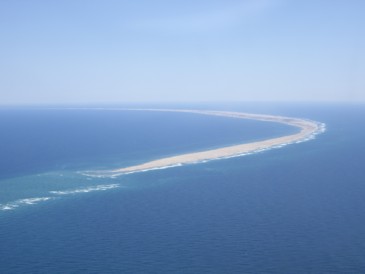
In the Canadian Maritimes, there exists a small island that is often shrouded in fog and plagued by storms. Once you reach it, however, you will be amazed by the wild beauty of the place: horses roaming free, seals swimming in peace, sand dunes sweeping the vista, and sky and water. There are a few human-made buildings, but very few people can be found there and it is generally wild. This island is called Sable Island.
I've almost always had a fascination with this mysterious isle. When I was a lot younger, I did a school project on it, and I've been determined to go there ever since. However, it  is rather difficult to obtain permission to get there-- too many humans visiting at once would unfortunately ruin the pristine beauty of the place. Eventually, however, I will find a way!

File:SableIsland1.jpg
Photo Courtesy of  HiFlyChick at en.wikipedia
The "wild" horses on Sable Island aren't actually wild. Technically, they're feral; their domesticated ancestors (probably mostly taken from Acadians when they were being deported from Nova Scotia) were shipped to the island in the 18th century, and now they live in nature. The humans who do live on or visit the island aren't allowed to touch the horses, and they don't feed them. They just live amongst each other. According to Zoe Lucas, a researcher who has worked and lived on the island for about 10 years,
"[B]ecause the horses are protected, have been protected for decades, there’s no reason for them to fear people. You can make them nervous by misbehaving, but if you just behave yourself, and watch their body language, and don’t disturb them, they’ll basically — they might look at you, and then go back to grazing. [...] I mean, it’s a treasure, right? — to be around wild animals and have them ignore you. That’s basically the ultimate experience: to have a wild animal not chase you, and not be afraid of you — that’s perfect." [Source: http://thechronicleherald.ca/novascotia/80216-work-fun-all-same-sable-island-researcher]
Some people say that our domesticated animals would go extinct if we stopped using them for our purposes. But really, is this true? Looking at the Sable Island horses, there seems to be a truly perfect human-horse relationship. Could that be accomplished with currently domestic horses and other animals, as well?
Perhaps it could. We would have to set aside a lot of land for national parks, etc., but-- in my opinion-- we need to do this anyway to preserve the environment. Humans should stop consuming as much on individual, workplace, and industrial levels, and we should try to be more self-sufficient. Then, perhaps, we might be able to live in natural harmony with animals, as well.
Even with cows we could do this. A major argument from meat-eaters is that all the cows would go extinct if we stopped eating them. But in truth, if humanity made the transition to a vegan lifestyle over a few years, even (because there is no way we can convince every human being on Earth to go vegan overnight), people would eventually realize that certain heritage breeds of cows were going extinct, and those ones would be set up on wildlife reserves. The species of cows who have been bred to be dependent on humans would probably be phased out, but by no means would ALL cows go extinct. The same goes for pigs, chickens, and more.


Photo Courtesy of HiFlyChick at en.wikipedia

Seals also live on the island:

Harbour seals basking on north beach
© Parks Canada: http://www.pc.gc.ca/eng/pn-np/ns/sable/visit/visit08.aspx


Sable Island has become a National Park in recent years, meaning that it will be protected for decades to come. It really gives me hope that humans, animals and nature will one day be able to live in harmony with each other! :)

To see some gorgeous pictures of the horses of Sable Island, check out this photographer's website:
http://www.sableislandhorse.com/feral-horses.html

To read first-hand accounts of visiting Sable Island, to contact Zoe Lucas, and more, please go to http://www.greenhorsesociety.com/!

Feel free to tell me what you think! I'm always excited to hear your comments. What do YOU think we can learn from Sable Island? If you've been there, what have been your experiences? Do you think we should try to live close to nature in the way they do at Sable Island?
For me, simply thinking about Sable Island enchants the mind and warms the spirit.

Have a good week, everyone... Come back next Sunday for my next post!

Friday, April 19, 2013

BONUS POST: "Confused koala discovers his home has been cut down (Photos)"

I found this, and I just had to share it. A new post is still coming up on Sunday, though!
Re-posted from Treehugger (http://www.treehugger.com/natural-sciences/confused-koala-discovers-his-home-has-been-cut-down.html):

Confused koala discovers his home has been cut down (Photos)
By Stephen Messenger

© NSW WIRES
"This koala looks rather sad. But who can blame him?
According to Australia's Wildlife Information, Rescue and Education Service (WIRES), the sub-adult male koala was recently discovered sitting atop the remnants of what was once his home in Vittoria State Forest, New South Wales. Although the logging operation was approved by the forestry service, judging by the koala's confused expression, not everyone got the memo.
"Koalas would have been moved out of their homes in preparation for planned logging activities," says WIRES general manager, Leanne Taylor.
"It is common for koalas to roam back to their home range afterwards and become confused to find nothing there. A worker noticed a koala had been sitting stationary in broad daylight on top of wood piles for over an hour."

©
Facebook
The perplexed marsupial, found to have an injury on its eye, was transfered to a local vet before being relocated once again back into a different patch of forest. Forestry workers found three other koalas at the clearcut site and they were transfered as well."

Sunday, January 13, 2013

"Kinship With All Life" and Animal Rights

Hi all,
Sorry for missing last week's post! I don't know what has gotten into me lately.
On the bright side, it looks like I've had a lot of visitors since I last checked in here.
Today I would like to cover something highly interesting that could potentially change the way we look at animal rights. It's a book called Kinship With All Life, by J. Allen Boone.
I first heard about Kinship With All Life (let us call it KWAL) in a nice little book called Random Acts of Kindness by Animals. The latter book gave an anecdote from KWAL, discussing potential communication with animals.
Intrigued, I got the book and read it. The book is about communication with all animals, including dogs (especially the movie-star dog Braveheart), snakes, ponies, flies, and even ants! The author claims, in a nutshell, that respect for all life and a desire to communicate with animals can help you create "mental bridges" with other creatures. These mental bridges foster two-way communication, through thoughts alone. It could be described as telepathy or ESP.
This might sound far-fetched to many of you, but think about it: people frequently claim that their dogs and other pets can "read their minds". Their dogs know when the owner is thinking about taking them for a walk, and horses are able to sense which way the rider wants to go without the rider giving them any physical cues whatsoever. Animals are able to make group decisions silently and without body language. If this is true, why wouldn't humans have the ability to do this, too? Perhaps we have merely lost our capacity to do this over time, as our connection with nature has dwindled and our lives have become more busy and completely un-spiritual than ever.
If you are still unconvinced (and I don't blame you if you are), I suggest that you read the book and decide for yourself. You can find a list of J. Allen Boone's works here: http://en.wikipedia.org/wiki/Kinship_with_All_Life, and you can buy Kinship With All Life on Amazon.com here: http://www.amazon.com/Kinship-All-Life-Allen-Boone/dp/0060609125. If you live in Ottawa or surrounding areas, you can request to borrow my copy of the book by e-mailing me at rabbit-cat[at]vegemail[dot]com; I highly recommend you do!
Kinship with All Life
If we accept that J. Allen Boone may indeed be correct in his theories, what implications does this have for animal rights? If we truly can communicate with animals through our minds, we will finally be able to make good, joint decisions based on both of our wants and needs. We will be able to work together like never before, not wanting to imprison and kill each other, but instead being able to create true alliances to get mutual benefits. If I wanted to travel to some town without driving a car, for instance, I could find a pony and agree-- with the pony, not just an owner, because by then the whole idea of ownership of animals would be abolished-- that if she takes me to the town, I'll do something in return for her (pay her in apples, for example). The pony wouldn't have to agree, and that's the beauty of it-- animals would have the power of choice. Right now, the animal rights movement is confined to what we think animals want; we make the assumption that animals don't want to work for us without pay, and while we're probably right, wouldn't it be nice if animals truly had the choice to make all of their own decisions?
*Happy sigh*
But in our current world, this is not a reality. People haven't learned how to communicate mentally with animals yet, so I suppose our first job is to try out this mental communication for ourselves to see if it does work. Proper instructions can be found inside the book.
Oh, and if you're wondering whether this has worked for me... well, not fully. For instance, I haven't created the "two-way" bridges that Mr. Boone talks about. I can't tell what they are trying to tell me; at least I don't think I can. However, I have noticed that I can get messages across to animals often enough. For many, that alone is a truly magical experience.

Read the book and try it out for yourselves!

Sunday, October 21, 2012

I Was Almost Roadkill, Too!

This week I was riding my bike home from school and got hit by a car. It was partially my fault, admittedly; the driver didn't see me and I assumed that she was going to wait for me to cycle by. Although I didn't get seriously injured (I came away with a slightly discoloured patch on my leg), it did make me think about a number of things, including roadkill.

File:Roadkill kangaroo.jpg
Aww, so sad...
The question I want to ask today is this: should we stop driving cars in order to prevent roadkill? And, if so, how do we do it?
The lady who crashed into me was very apologetic. Would she have been apologetic if she had run over a squirrel? I think she would have, although it is not a social necessity to feel this way in our culture.
A lot of roadkill is the result of speeding, too-- and, of course, the simple solution to that one is simply don't speed. Speeding puts animals in danger, it puts you in danger of crashing or getting a ticket, it puts poor careless cyclists like me in danger, it bothers neighbours, and it puts the environment in danger due to too much pollution. The only thing that speeding does accomplish is lessening your chances of being late for your next appointment or school or work day. You just need to plan ahead of time. It won't always be easy, and sometimes you will be late. But, well, that's life, as they say!
But I'm skirting the question. Cars-- or no cars?
I want to say no cars, due to my environmental concerns, but I've got to look at it from the roadkill perspective, too. Just how many animals are killed when the person is not speeding? I can't find any statistics, but I'm sure that many roadkills happen within the speed limit (especially on highways). If you are concerned about roadkill, drive your car as little as possible-- and carpool with a safe driver at the wheel whenever you can. If you are an open-minded, eco-friendly, animal-friendly, lovely person who always puts others first, stop driving your car altogether! (And if you're not, stop driving it anyway and I'll give you bonus points for going against your stereotype.) :D
You can't always stop yourself from driving over ants with your bicycle tires (believe me, it's pretty dangerous at times, and I should know), but you can try to reduce your impact as much as possible. Similarly, buses may not slow down to prevent the squishing of squirrels, but bus-ing is so much better for the environment that you should take the bus instead of the car anyway.
Here are some things you can do to stop roadkill:
  1. Get your neighbourhood to start an anti-speeding campaign. Some neighbourhoods just need a sign that displays your car's speed as you go by-- others may need more police to hover around. Talk to your neighbours about what would work for you.
  2. Don't get in the car with someone who is known to speed (if you have trouble refusing, just imagine me and my poor little bicycle going along the road at the same time).
  3. Please be careful with your cats-- do you want them to get hit by a car?

Whew. I hope I didn't ramble there. Remember to enter The Great International Vegan Soup Competition before December 1, 2012, by the way!
Oh, and don't worry. I've learned my lesson not to go out in front of cars without getting their permission first. Your lovely blogger isn't dead yet! ;)

Sunday, July 8, 2012

A Warning for Animal-Rights-Concerned Tourists

There are quite a few things that anyone concerned with animal rights should be aware of when on vacation this summer. Here are all the ones I could think of:
  • This summer, I urge everyone to refuse to buy wildlife souvenirs. For example, if you are going to India this summer, please make sure not to buy anything made of monkey fur, tiger skins, ivory, etc. It sounds obvious, but honestly, it is so easy to get carried away with excuses of "just this once" while on vacation! This is especially crucial with endangered species, of course, so that they do not become extinct. However, following the animal rights philosophy, we must also boycott all other animal souvenirs while we are away. Many animals are actually raised just for this industry alone, which dispels all wishful images of some native hunter donating the scraps of a wild animal to the tourist industry.
  • Image Detail
  • Another thing to look out for: the foods of other cultures! If you are going somewhere that seems exotic by your standards, you had better do research on what all the food names mean-- and write them down! For example, hummus may be a delicious chickpea spread, but haggis is a Scottish "food" made from the lungs, heart, and liver of a sheep or calf. (Once when I was about 9, my mom told me there was hummus in my submarine sandwich. I thought she meant haggis, and I freaked out and almost vomited. Mind you, back then I thought that haggis was actually minced calf brains, so maybe it's different.) It is importatnt to keep up your animal rights vegan diet while away. You might have to bring a few of your own foods for this.
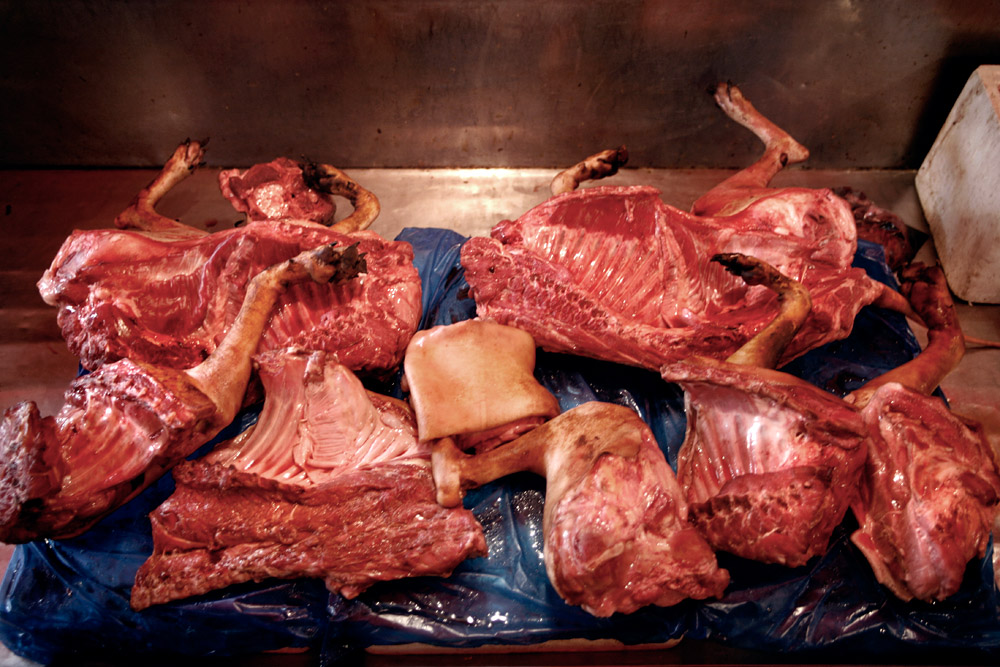
File:Dog Meat.jpg
Dog Meat, or Gaegogi (in Korean) for sale at market. Courtesy of Wikipedia.
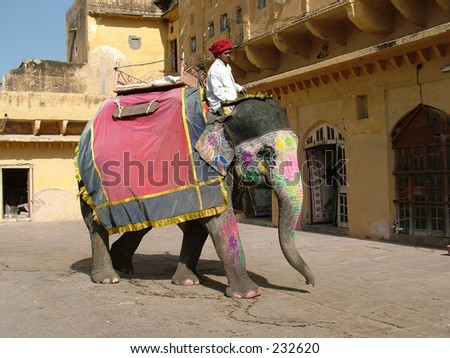
  • Pony rides, camel rides, elephant rides... You've really got to consider how this will affect animals. Most of the rides that tourists are allowed to go on are animals specifically bred and raised for this purpose. Talk about unfair...

Image Detail

If I've left anything else out, please leave it in the comments section. I'd love to know!

Sunday, June 3, 2012

Zoo: Compassionate or Killer?

Zoos are both environmentally-friendly and -harmful, and the same goes to how they treat animals. Since there is so much information on zoos out there, I've decided to make a pros and cons list:

Pros ("zoos are good")
  • They save certain species from extinction, and through breeding, they can gradually release the animals back into the wild again.
  • They teach people about wild animals and nature, while getting them away from a screen!
  • They help injured animals get back to full health.
  • They are great meeting spaces for conservationists, and a great way to encourage sustainable living.
Cons ("zoos are bad")
  • They treat animals as "products". If one animal isn't wanted in a certain zoo, he or she is shipped away to another zoo-- surely a very traumatizing experience.
  • The only thing they teach people about animals is how desperate any creature will act when confined to a cage.
  • Many animals at zoos become so bored and upset that they develop emotional disturbances. They often have absolutely nothing interesting to do, so they make up movement patterns and obsessions to continually go through. Some people call this "stereotypic behaviour" or "zoochosis". This psychological torture must be abolished.
  • Zoos rarely can get an animal back into the wild. The difference between zoos and the wild is far too big for a zoo animal to successfully be re-integrated back into a natural environment.
  • Zoos sometimes even take animals out of the wild!
In my opinion, zoos are very often "bad", for the reasons I've listed above. They make me very angry, especially con #3; read more about it at http://www.wisegeek.com/what-is-zoochosis.htm. The following video is rather disturbing, but, well, it tells you a little more visually what I'm talking about.

Conservation is great, of course, but that should take place on wildlife reserves-- not behind bars.
If you do go to a zoo, take pictures and send them to me at:
rabbit-catATvegemailDOTcom. However, my best advice is to avoid zoos. There are so many better things you could be doing: taking a tour of real nature, for example!
Please share this information with everyone who you know. Thanks, and come back next Sunday for my next post.

Friday, May 25, 2012

Boycott the Circus, Save an Animal or Two

Hello everyone,
I am writing this on Thursday and Friday, as I will be away at the Ontario Nature Youth Council's Youth Leadership Retreat (ha! I love long names) for the weekend. On June 1 (my birthday), I'll be posting about how it went on my environment blog, http://www.hugatreetodayseriously.blogspot.com/.
Anyway, today I want to let you all know about why we need to avoid the circuses that use animals...
  1. The use of animals for human entertainment is inherently wrong. Just as women were not made for men and black people weren't made for white people, animals were not made for humans. Keeping these animals locked up in cages is like keeping them as slaves.
  2. The training tactics of circuses are also very cruel. To train elephants to be ridden by humans, for example, they have to be chained down in a bowing position (this is the position they must be in for people to climb onto their backs). I can't imagine why circus visitors would find it fun to see abused animals perform tricks for them.
Instead of the traditional animal circus, why not attend the Cirque du Soleil or a similar circus, which focuses on the amazing feats of human acrobats and gymnasts? I have heard that it is truly awe-inspiring.
For those of you who want to stop the circus cruelty in its tracks, you can start a miniature protest near the entrance to a circus. Hand out leaflets encouraging visitors to attend another attraction instead (ie. going to the movies (without animal actors!), swimming in a lake, seeing a non-animal circus, etc.). You might think that this is too much work, but all you really need to do is gather some friends who care and make the signs, educate yourselves, prepare some sort of handout and alternatives to the circus, then go do it! Some peta2 teens successfully did this: http://blog.peta2.com/2012/05/alexandra-craig-takes-on-ringling-bros.html.

http://denbeath.blogspot.ca/2009/04/facts-about-circus-cruelty.html

Sunday, April 22, 2012

Animal Rights Blogs, Action Alerts, Newsletters, and Events to Sign Up For

This week, I'm just going to post a long list of different things to sign up for. These things can effectively help you become a better volunteer/person/activist by engaging you in reading and activity. I think that there isn't a list that gives a list of animal rights blogs, newsletters, and action alerts as comprehensive as this one on the ENTIRE web!

List of Animal Rights Blogs, Organizations, Action Alerts, and Events

Blogs
E-Newsletters/Action Alerts
Events

Do you have anything to add? Please contact me at rabbit-cat (at) vegemail.com or comment below.
Next week, I'll be talking about the cruelty of circuses. Until next week, then!

Sunday, April 15, 2012

How to Help End the Seal Hunt!

Baby seals are annually hunted for their soft fur and meat in the Canadian Arctic-- and the seal hunt is, indeed, going on right now!
Seals are clubbed to death or sometimes dragged off the ice by their eye sockets (with a metal hook in their eye). The babies are always the ones who are taken because of their light coats:

Baby seal
Courtesy of playlist.com
 Honestly, the people who hunt these seals should just go out and buy a puffy winter jacket if they want to keep warm!
Things you can do to help end the seal hunt:
  1. Send a letter to Prime Minister Steven Harper demanding that the seal hunt be abolished. I got a message from peta2 a while ago with this idea, suggesting that I add this picture: http://blog.peta2.com/wp-content/uploads/2012/04/Bloody-Seal-Carcass-Canadas-Seal-Hunt.jpg to the letter. Although the Prime Minister may not actually read your letter, the constant flow of such letters will definitely raise his attention to the seal hunt.
  2. Sign one or all of these petitions:
    1. http://www.thepetitionsite.com/takeaction/636/017/315/
    2. https://secure.peta.org/site/Advocacy?cmd=display&page=UserAction&id=1657
    3. http://www.thepetitionsite.com/1/against-baby-seal-hunt/
    4. http://www.gopetition.com/petitions/stop-seal-hunting-in-canada.html
    5. https://secure.peta.org/site/Advocacy?cmd=display&page=UserAction&id=2929
  3. Boycott the following companies:
    1. Costco, which sells seal oil capsules
    2. fashion houses that sell furs: Prada, Dolce & Gabbana, Birger Christensen, New Vogue, and Vogue Furriers
    3. Terra Nova, Canomega, and Omegavite, which all sell products made from seals
  4. Spread the word! Tell people about the seal hunt and how we can work together to stop it.
I'll be back with more information and tips next week!

Sunday, March 18, 2012

Raising Awareness, Part II: Create a Petition

Creating a petition is a very simple, yet rewarding, process. You can create a petition that will be sent to a decision-maker, company, organization, etc., asking them to make change.
Good sites to create a petition are http://www.thepetitionsite.com/ and http://www.change.org/. Follow their steps and watch the signatures come pouring in! Make sure to tell people about your petition via e-mail, spoken word, and social networking sites.
Also, signing petitions is a great, albeit small, way to help out. I have made a petition on http://www.thepetitionsite.com/ in order to stop the live boiling of lobsters, so please sign it at www.thepetitionsite.com/1/stop-lobster-cruelty.
Well, that's all I have to say for this week. See you later!

Sunday, February 19, 2012

Saving Urban Wildlife In Your Own Backyard!

Urban wildlife means animals who live in the city or suburbs. This would include squirrels, birds, chipmunks, rabbits, mice, bats, skunks, raccoons, and even insects! Animals in the city are brave and often tough-- but not necessarily tough enough to survive toxic chemicals, litter, and lack of food. It's hardly fair when we call them "pests"-- who was here first, after all, us or them? I suppose you could even say that us humans are the pests! Either way, we should try to be the least harmful to the native species of our area as possible.
This is one of my favourite ways of helping animals because you can see the effects of your actions right away-- cleaner neighbourhood, less chance of animals being injured or killed. Without further ado, I shall rattle off some of my (and other people's) ideas for saving wildlife in your neighbourhood!
  1. Put window stickers or dangling ornaments on/around your windows to avoid bird collisions. Even a few stickers can do-- it will warn the birds that the impossibly clean window is, indeed, a hard surface. You can purchase some eco-friendly, fair-trade ornaments at https://therainforestsite.greatergood.com/store/trs/category/337/home-d%C3%83%C2%A9cor?1. Browse around! You might find something interesting. Of course, you can make your own, too-- old Christmas cards, current to-do lists... It's up to you, just do something!
  2. Pick up any garbage you see on the ground. You can either organize a litter clean-up or just grab an elastic or two on your way. Once I saw a chipmunk attempting to stow away some plastic garbage in my backyard. I quickly scared her away and picked up the plastic. She could have suffocated on that bag, or been sickened with toxins, if I hadn't picked it up. My point: every little piece of garbage can make a difference! Tip: You're likely to find a lot of elastic bands around post boxes, since the letters are carried in packs with elastics around them. For some reason, the post people will often just throw them on the ground! So that would be a good place to check, if you're looking for ideas.
  3. Be careful not to spill chemicals (like anti-freeze) on the ground (or down the storm drain!). Since anti-freeze tastes sweet, animals will enjoy lapping it up-- only to suffer fatal consequences later.
  4. Especially during harsh winter months, leave out birdseed and vegetable scraps for the birds, squirrels, and rabbits. It's only fair to share-- and if they don't eat it, it will still be used as fertiliser for your lawn!
  5. Don't try to get rid of the so-called "pest" animals, unless they are literally tearing your house apart or giving you diseases. See my earlier post, "Give Pests a Rest!" for more details.
Living with wildlife can be very interesting, and even amusing at times. You can watch the birds at the birdfeeder and the rabbits in the yard. It's also crucial to remember that reducing your environmental footprint may be the key factor in saving wildlife everywhere. You can see my environment blog, Hug a Tree Today, Seriously, at http://www.hugatreetodayseriously.blogspot.com/ , to learn more.
Have a good week!

Sunday, February 12, 2012

How To Stop Animal Cruelty Everywhere You Go

Animal cruelty seems to be all around us nowadays-- it doesn't take a trip to a factory farm or circus to confirm the way animals are being senselessly abused. On the streets, some children think it's funny to burn ants with magnifying glasses on hot days; people drag their dogs along without thinking about their pets' happiness; and sometimes teenagers will even throw rocks at cats. At home, dogs are locked in crates while their masters are at work; "pocket pets" and fish are stuck in cages hardly bigger than they are themselves; unwanted goldfish are flushed down the toilet while alive; and dogs and cats, supposedly the joys in our lives, are yelled at for doing things like eating a tasty treat that their owner had prepared for their guests.
It seems hard to know where to start. Since these things can only be eliminated through new legislation and such, there's nothing we can do to stop it.
Or is there?
There is, in fact, a very simple way to help reduce speciesism, or the prejudice against other species. This is practicing respect! It's not just a matter of not harming animals. It is about advocating the respect for other creatures in our daily lives. Here are some examples of what I mean:
  • Refer to animals by he or she instead of it. The pronoun it signifies an inanimate object. Once humans consider animals to be individuals with lives of their own, it will be a lot harder for people to show cruelty. Cruelty, after all, often spawns from thoughtlessness-- not even considering another's point-of-view.


  • When one of your friends is joking about animal cruelty, let them know that it isn't funny and that they shouldn't joke about it.
  • When you actually come into the aquaintance of a non-human animal, do as J. Allen Boone was instructed to do when he was asked to care for the dog celebrity, Strongheart:
    • "I was told what and when to feed my new companion, how to bathe and brush him and what kind of exercise he should have every day. I was advised to treat him exactly as I would an intelligent human being. I was never under any circumstances to 'talk down my nose' at him, to use baby talk with him, or to say anything... that I did not sincerely mean in my heart. The instructions ended with the apparently serious recommendation that I read something worthwhile to him every day." To learn how this all went, I advise you to read his book, Kinship With All Life.
  • Make sure that you don't participate in events that support animal cruelty. For example, a barbeque fundraiser may be raising funds for a good cause, but by helping with setting up/cleaning up/cooking/making posters/etc., you would be supporting animal cruelty at the same time. Veggie-burger-only/veggie-dog-only barbeques are okay, though! If someone asks you why you won't help, try to explain as politely and descriptively as you can. You may not convert them into animal rights activists on the spot, but you will definitely get them thinking about stopping their unconcious cruelty. Another example would be if your friends think it's "fun" to squish/drown ants. Don't be the by-stander. "But I'm not actually doing anything" doesn't cut it. As I have heard from many anti-bullying campaigns in elementary school, "the by-stander is just as bad as the bully."
  • If you see someone who isn't treating their animal properly, offer a suggestion on how to do things better. Don't make it sound like you are attacking them, but give them a "friendly pointer" and ask them to look at it from the animals' point-of-view. If you can, direct them to an animal rights video, organization, or my blog!
  • Remember: children and youth are the future. The atmosphere that young people are raised in will have a profound impact on the world of tomorrow. Humane education is vital to helping kids cultivate compassion. Teach your children (if you have kids) and their friends to be compassionate wherever they go, explaining them why they should boycott circuses, zoos, animal products, etc. This is not "brainwashing" them. It is exactly the same as teaching children to care for their neighbours. If they are taught this, there won't be a need for animal rights activism in years to come-- respect will come naturally!
By the way, I'm not accepting e-mails from my old ecofuzzy e-mail account anymore. Google is changing it's privacy policies. So you'd be better off to post a comment instead, for those of you who want to contact me but don't know me personally. Thanks.

Sunday, January 29, 2012

Oppose Blood Sports-- Part Two: Fishing

I find it incredible how people can eat fish without even knowing what a real one looks like-- mind you, that is probably why they are okay with eating fish in the first place!

Catching fish for "sport", on the other hand, is more a matter of desensitization. In other words, many people start fishing at a young enough age to never even question hurting the fish, or it's just that their parents tell them it is okay. Children will do a lot to get a role model to look up to, so they may even change their beleifs in order to accomodate for their parents' ones.
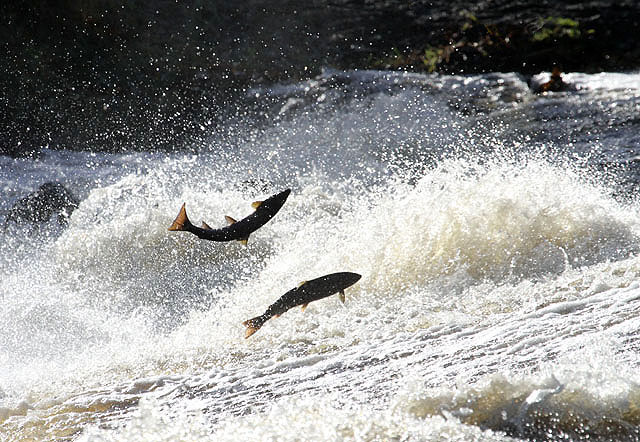
Leaping Salmon:

Fish are really intelligent creatures, too-- just ask Culum Brown, a biologist who studies fish: "Fish are more intelligent than they appear. In many areas, such as memory, their cognitive powers match or exceed those of 'higher' vertebrates, including nonhuman primates." Fish in research centres have also known at which times of day pressing a lever can provide food. In the wild (which clearly is where fish should be!), they even keep gardens by weeding out types of algae that they don't want to promote the growth of their favourite foods.

Please don't even get me started on catch-and-release fishing-- what a cruel way to kill a fish. The fish who you throw back will end up being weakened by having their scales rubbed the wrong way, will struggle to eat after having their mouth being cut, and will have gone through the trauma of being half-drowned in the air. Their blood (from where their mouth was cut) will also attract predators. Their chances of survival will have been severely reduced.

Besides not fishing yourself, there are some other ways to stand up for fish rights:
1) Oppose fishing whenever you can. If one of your friends or somebody in your family is going fishing, tell them why you don't fish.
2) Display anti-fishing bumper stickers on your or your parents' car, patches on bags, and stickers on laptops. You can order some of these things from the PETA store, along with other anti-fishing organization stores. http://www.petacatalog.com/catalog/Stickers-55-1.html
3) Make your signature at the bottom of e-mails an animal rights one. (e.g. ***Fish are people too*** /Oppose fishing!) You can also do this at the end of your voicemail message. (e.g. "Hello, you have reached the voicemail of [blahblahblah]... By the way, did you know that catch-and-release fishing is just as bad as killing the fish? The fish will be so weakened that they will die after bleeding for hours. Order some "fishing hurts" stickers from PETA today! Leave a message after the beep!")
4) Litter that fishermen leave over from their so-called "sport" (nets, hooks, fishing line) can kill wildlife in the surrounding areas. Organize a litter cleanup in such areas, while bringing awareness to the plight of the fish!
5) Set up anti-fishing displays at school, libraries, and community centres.
6) For the public speakers of you, give presentations to groups of people on why they shouldn't fish. If you have a class presentation that you have to give, make it an anti-fishing one!
7) At a local fishing pond or lake, put up signs saying "No Fishing" or "Please clean up your fishing lines before you go."
8) Any other great ideas? Let me know!
(Dead) Tuna:

Sunday, January 22, 2012

Oppose Blood Sports-- Part One: Hunting

"Blood sports" is a term used to describe a "sport" that requires violence against animals, like hunting, fishing, trapping, rodeos, etc. These always amount to either the death or injury of an animal.
Today, I'm going to talk about hunting. Hunters constantly seem to be defending their demented pastime with excuses. Here are a few of them, with my responses:

1. "We need to keep the wildlife populations in check".
Truth: Can Mother Nature not take care of herself? Some hunters have even been reported to feed the animals so that their populations rise, then go out for a kill. The wildlife population theory is just an excuse to put our skeptical minds (and their guilty ones) at rest. (Sorry hunters, but you haven't fooled me.)

2. "It helps the economy."
Truth: Sure, it increases the amount of money people spend in the country. But is that a good thing, considering that humanity is overconsuming so many resources that the Earth cannot replenish itself?

3. "It's better than animal farming-- hunted animals only suffer at the end of their lives!"
Truth: Although hunting is probably less harmful to individual animals than factory farming is, it's important to remember that animals have intelligence beyond what we give them credit for. They have families and herds and babies who accept, rely on, and love them. When you (or someone else, because I doubt that hunters are reading this) kill the first wild animal you see, you are bringing untold damage into the lives of many others. Also, I can't even begin to imagine the fear that it causes all the animals of the forest when they hear the first gunshot of hunting season.

dad and george with dall rams

4. "It connects us to nature."
Truth: There are many other ways to connect to nature than killing the animals in it. Many hunters have major problems in their lives, so they go and take it out on the animals, but this is wrong. How about going on a nature walk, birdwatching, feeding the chickadees in the woods, having a picnic, skiing, cycling, and, um, well, going outside???
5. "It teaches our children about wildlife."
Truth: Children are being desensitized to the suffering of others to a high degree nowadays. People can take their kids to do any of the activities that I have mentioned in #4. As I progressed through school, I noticed my classmates becoming less and less caring... Do you really want to support that? Parents are supposed to teach their children to do good in the world and support themselves, not teach them how to kill!


"What can I do to stop this?" you must be thinking (at least, I hope you're thinking!). Well, here are some things you can do:
  1. Don't go hunting yourself. Please have compassion!
  2. Encourage others-- family and friends-- not to hunt. If they tell you that they want to start hunting, show them with evidence why it's a bad idea. If they are already hunters, show your concern for them by trying to get them to stop. It's bad for them to have an obsession (or even just a "hobby") with killing.
  3. Display anti-hunting  logos for all to see, on your car bumper, laptop, and handbag.
  4. Purchase a hunting license-- don't use it, of course-- just to take the opportunity away from other bloodthirsty folk who want one. You should also read more about the regulations in your area, first, though-- make sure that demand will not be met with more supply, otherwise you'll only be adding to the problem.
  5. If you're very brave, go out for a picnic during hunting season in a part of the forest where hunting is allowed. Be loud. Play music. Do whatever you can to scare the animals away into no-hunting zones.
  6. Link to my blog on your website, or send this post to friends. Really!
Okay, that's all for this week. Remember to come back next week!

Sunday, January 8, 2012

Animal Rights-- a Traditional Value

Huh? Just wait a minute. You're probably wondering how on EARTH animal rights is an age-old European tradition, right? It seems like a totally new, radical idea that has just recently appeared in our culture, doesn't it?
Well, there was a time-- during the medieval period and American colonization-- when the idea of animals not having rights was even more absurd, according to Jeffrey St.Clair in the introduction of Fear of the Animal Planet, a book by Jason Hribal. Animals were frequently given trials for breaking the law, yet if anyone violated that animal's rights, they would also end up in court. Convicted animals would end up executed in the exact same way humans were-- and often buried beside human criminals.
For example, in 1575, the weevils who lived in Savoy, France were sent to court (represented by a lawyer) for destroying a famous vineyard. Their lawyer, Pierre Rembaud, cited the Christian Bible to defend the weevils. He said that God had promised the all animals any plants that they needed to eat, so it was the weevils' preordained right to eat the grape leaves. He even swayed the local citizens to set up a weevil reserve!
In another case, a donkey had been attacked by a farmer in 1750. The court needed to decide whether the donkey had provoked the attack or was innocent. So, some top citizens wrote to the court. An abbot described the donkey as "in word and deed and in all her habits of life a most honorable creature." In the end, the donkey was declared innocent and was allowed to go back to her field.
Notice how the abbot describes the young donkey in the same way one might speak of a human being, and using the term "her habits", instead of "its habits". The donkey is considered capable of rational judgement, morality, and the freedom of choice. Compare that to nowadays, and how a donkey is often described as a commodity without innate value.
What happened?
How did animals become seen as human goods, then?
Well, according to the book that I cited earlier, around 1600, the view began to change. If an animal was inconvenient, "it" would have to go, and there were no more trials that gave animals rights. Take Rene Descartes, for example, who was a scientist, philosopher, and vivisector. He was known to nail dogs to a board to cut open-- while alive-- on the basis that animals were simply atomatons, and that their screams were comparable to the "noise of breaking machinery". Other celebrities of the time were starting to view animals in this way, too. Those who still lived close-up-and-personal to animals challenged this "modern" way of thinking, but gradually it spread like the plague through nearly every city, town, and village in the modern world.
Although this is a truly sad tale, there are still ways that we can reverse this dangerously cruel direction that we have been heading. Luckily, some of the work is already cut out for us, as environmentalists, animal rescuers, and animal rights activists are starting to work towards a compassionate world. But they can't do it unless we all pitch in. Here are some things to do to help:
  1. Don't buy any product that has come from the animal industry. This includes food, clothing, souvenirs, and cleaning solutions that are made out of an animal product, among other things. Although some products are considered "humane", remember that humane in the 21st century is a great deal different than truly humane.
  2. Remember to treat animals as individuals, not just cute things. They're different from us in many ways, but not as many as you might think. Follow the Golden Rule: "Do unto others as you would have them do unto you."
  3. Speak of animals in the same way. Although it won't directly affect your neighbour's cat if you describe him as "cute and pathetic" while talking to your friends, it will create a worse case of human superiority-complex in society. So be careful!
  4. Educate others on how the current typical view of animals is not natural nor compassionate. If you don't want to take the time to explain, send them to my blog, okay?
  5. Don't support the cruel practices of the pet trade, animal performances, and rides on either wagons drawn by animals or on their backs.
By always being mindful of animal rights, we can really make a difference in the world.

Sunday, December 11, 2011

Action VI: The Animal-Friendly Christmas

Making your Christmas animal-friendly takes a bit of extra planning. (But it is worth it!) Please keep in mind your pets, animals being exploited by industry, and wildlife.
Companion Animals: Make sure that any plants hanging around your house are non-toxic, and put the toxic ones in rooms where the animals do not enter, as the leaves can fall onto the ground even when they are out of reach! (Thanks for the tip, A.M.!) For example, mistletoe is toxic, as are holly and poinsettia-- unknowing animals might taste these plants and fall ill, so be careful! If your cat likes eating tinsel and ribbons, you should do without these frills. (Never give an animal as a gift. Having a companion animal requires a lot of effort and money, and people should only adopt once they are sure that they can handle it.) I also suggest giving your pets new toys and lots of love this Christmas-- share the joy!
Industry animals: Here I am talking about animals raised for food, fur, wool, and leather. Please take care to give cruelty-free gifts to your loved ones! And how about serving a vegetarian turkey this year? The brand Tofurkey is popular, and there are many other kinds of fake meats in regular grocery stores as well as health-food stores. Get in touch with any party organizers early to make suggestions.
Wildlife: Seeing that wild animals live in nature, it is very important to keep their home intact! Try to minimize your environmental impact on Christmas by wrapping presents in scarves and reusable gift bags, avoiding ribbons and gift-wrapping paper. Use a live tree in a pot this Christmas, which you can keep inside for a few years and plant in the springtime! See more eco-friendly holiday ideas on my environment blog: http://www.hugatreetodayseriously.blogspot.com/ .
Hope you have a great time making your Christmas animal-friendly!